
 Posts
Posts


I've been out of town the past couple of weeks mentoring and teaching, with another week to go so I haven't had much time to post.


I have had time though, to think a lot about some things that crop up again and again in teaching: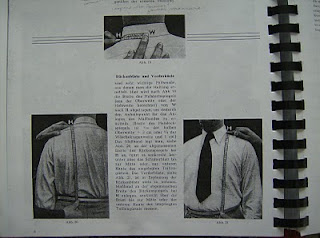
a lack of clear and up-front discussion about how the drafts need to be changed for balance, figure irregularities and just plain old bigger sizes.
I thought I'd talk a bit about balance first.
Balance is the way a garment hangs on the body. An example of bad balance is if your coat tips up in the front, hitting your seat behind you and causing drag lines from the hip up on the diagonal toward the chest. It means that your front balance is short.
Now I know that if you read some of the old texts very thoroughly, you will find some information but rarely is it in plain, easy to understand language. The measurements required in some of those books also require the use of specialized measuring tape equipment that sadly has disappeared.
I know too, that many more modern texts are dealing with learning to draft primarily for the RTW market and that is a different situation from what I need to do and what I need to teach.
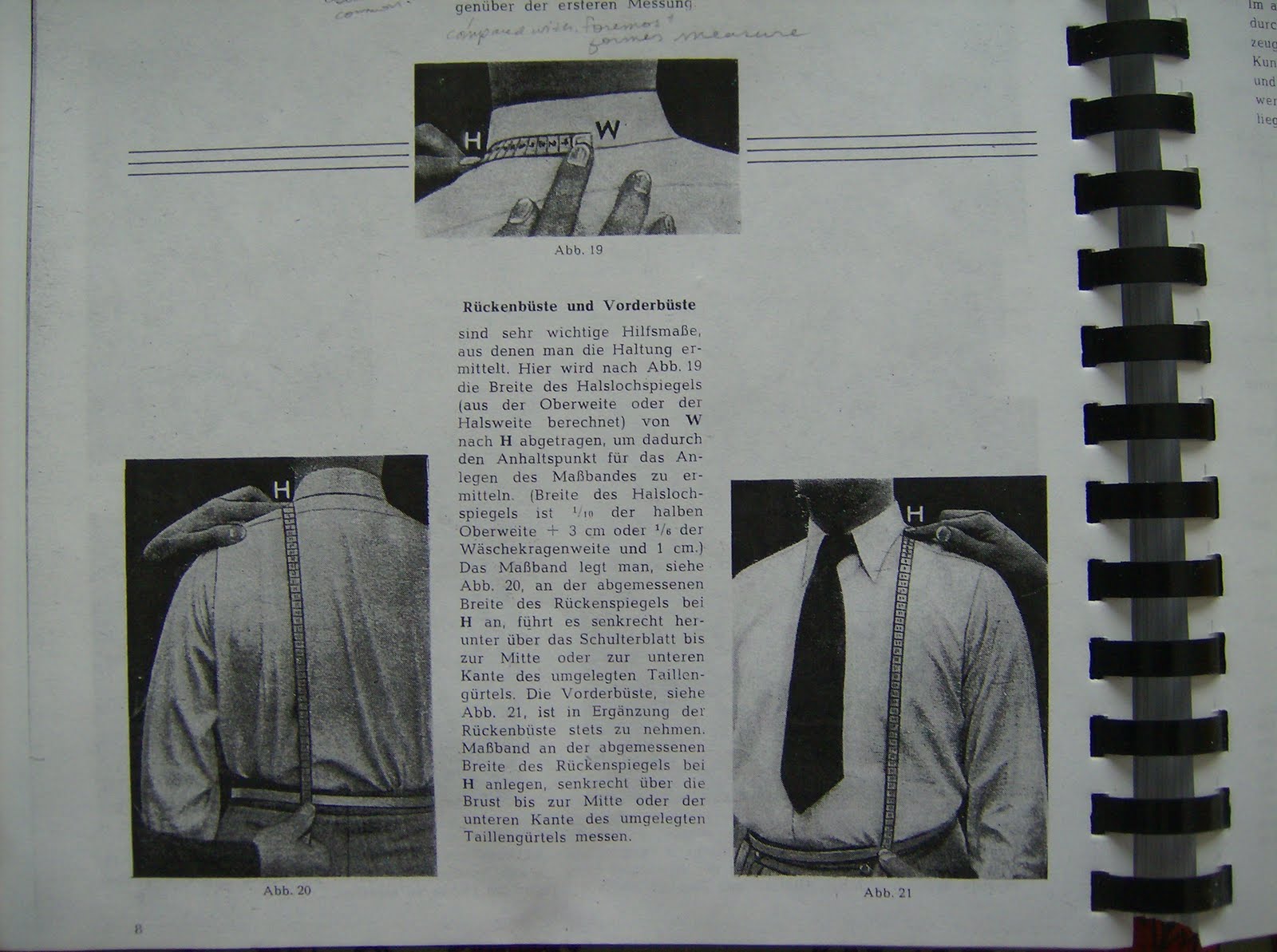
One of the basic balance measurements can be a measurement from nape to CF waist- it can tell you a great deal about the front length required on a pattern. It does not tell you a great deal about the person's back, but you would still be taking a nape to waist back measurement and between the two can make pattern adjustments.
This page from a German text, pictured above, gives instructions for taking two important "help measures" for balance. Similar measurements are also mentioned very briefly at the very end of "The Art of Fitting Gentlemen's Garments".
The difference is that in the German text, they don't just leave you hanging, wondering how to apply these helpful measurements, they do show the average, the long back/short front person, and the short back/long front person as well as the changes required in the patterns to achieve a well balanced garment.


This is essential knowledge in making individualized patterns- I cannot tell you how many people are drafting up the basic formula for varying sizes and shapes but not using some kind of measurement for balance. They are frustrated in their process because the garment doesn't fit right or sometimes at all, and they don't realize what needs to be changed at the pattern stage.
So, why is that? Balance applies to women's wear too, and most of the measurement sheets for women have a number of balance measurements taken but not for the men, so I encourage people to take the extra measures, apply them and it will make a huge difference in both the fitting stage, and in your end result.


